High Efficiency Systems 216055479 solutions represent a transformative approach to energy management. By integrating technologies such as smart thermostats and variable speed drives, these systems optimize energy consumption effectively. The result is a noteworthy reduction in operational costs across various sectors. Understanding how these systems function and their comparative advantages over traditional solutions is essential for organizations aiming to enhance efficiency and sustainability. This exploration raises critical questions about their broader implications.
Understanding High Efficiency Systems 216055479 and Their Benefits
High efficiency systems, designated as 216055479, represent a significant advancement in energy management technologies.
These systems prioritize energy conservation through innovative design and operational strategies.
By integrating sustainability practices, they not only reduce energy consumption but also promote environmental stewardship.
The implementation of such systems empowers users, aligning with their desire for autonomy while contributing to a collective effort towards sustainable energy solutions.
Key Features That Optimize Energy Use and Cost Savings
Numerous features of high efficiency systems contribute to optimized energy use and significant cost savings.
Advanced technologies, such as smart thermostats and variable speed drives, enhance energy savings by adjusting operations to real-time demands.
Additionally, high-performance materials reduce thermal losses, further supporting cost reduction.
These innovations collectively empower users to achieve sustainable efficiency while minimizing operational expenses, promoting freedom from excessive energy costs.
How Do High Efficiency Systems 216055479 Compare With Traditional Solutions?
While traditional systems primarily rely on fixed operations, high efficiency systems 216055479 leverage advanced technologies to adapt dynamically to varying demands.
This adaptability enhances energy performance, leading to significant reductions in energy consumption.
A comprehensive cost analysis reveals that high efficiency systems not only optimize operational expenses but also offer long-term financial benefits, distinguishing them markedly from their traditional counterparts.
Real-World Applications: How Do Different Sectors Utilize High Efficiency Systems?
How do various sectors capitalize on the capabilities of high efficiency systems?
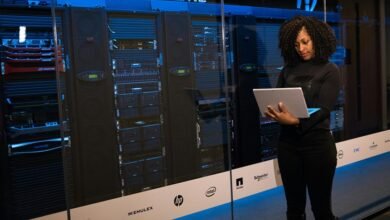
Industrial applications leverage these systems to optimize energy consumption, enhancing productivity and reducing operational costs.
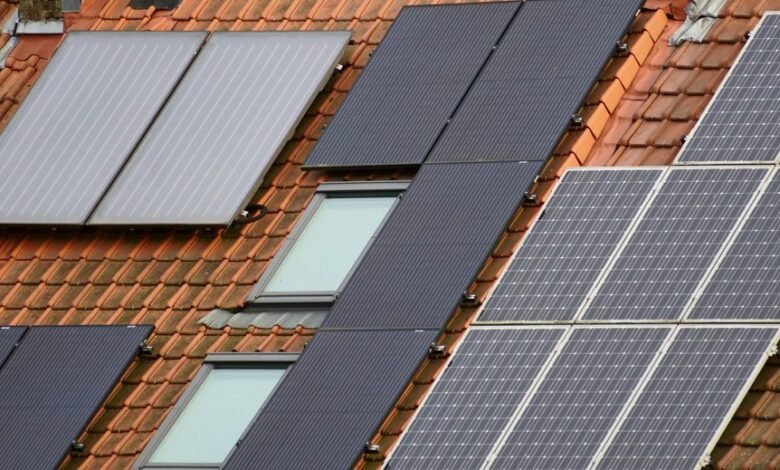
In contrast, residential solutions focus on improving energy efficiency and lowering utility expenses, thereby promoting sustainability.
Both sectors benefit from advanced technologies, driving innovation while meeting regulatory standards and consumer demands for environmentally responsible practices.
Conclusion
In the landscape of energy management, High Efficiency Systems 216055479 emerge as beacons of innovation, illuminating pathways to sustainability. Their integration of cutting-edge technologies not only carves out substantial economic benefits but also weaves a tapestry of environmental stewardship. As industries and homes embrace these systems, the ripple effect fosters a culture of energy consciousness, transforming mere consumption into a harmonious symphony of efficiency and responsibility—a testament to what the future of energy management can achieve.